Miaoqing
Jia
Health economist studying insurance coverage, medication access, and the rules that decide who gets care.
I graduated with a PhD in Economics from Boston University in 2022, and I am currently a Postdoctoral Associate at Weill Cornell Medicine. My research fields are health economics, applied microeconomics, industrial organization, and value-based insurance design.

-
/01
Integrated special needs plans and supplemental benefits for dual eligiblesNIMH R01 · how plan integration and added benefits shape care for dual eligibles
-
/02
C-SNPs, value-based insurance design, and cardiorenal-metabolic therapyPreliminary analysis of condition-tailored plan design, treatment entry, and persistence
-
/03
GLP-1 access: coverage, denial, and continuityDenials, what follows an initial denial, and continuity across a change in coverage
-
/04
Coverage and adoption of AI-enabled medical technologyHow payment rules shape whether new technology reaches patients
- OCT 2026 AI Stroke Triage and Mechanical Thrombectomy selected for the 3rd Annual Washington Health Economics Symposium in Washington, DC.
- SEP 2026 Antibiotic Resistance, Drug Prices, and Entry published in Economics & Human Biology.
- 2026 Social Needs Screening and Subsequent Acute Care Utilization accepted for publication.
- 2026 A Machine Learning Approach to Place-Based Cardiovascular Prevention in NYC published in American Journal of Preventive Medicine.
- 2026 Fluoroquinolone Prescribing to Older Adults published in Antimicrobial Stewardship & Healthcare Epidemiology.
- APR 2025 Joined Weill Cornell Medicine as a Postdoctoral Associate.
A health economist working at the intersection of coverage, data, and care.
Trained in applied microeconomics, industrial organization, and causal inference.
I joined the Department of Population Health Sciences at Weill Cornell Medicine in April 2025, after completing my PhD in Economics at Boston University. My research asks how the design of insurance coverage — what a plan covers, what it asks people to pay, and what it requires before a prescription is filled — shapes access to medication and the outcomes that follow, particularly for older adults and for people whose care is split across programs.
I’m supported by an NIMH R01 (MPI: McGinty and Zhang), where I lead the quantitative analysis of how integrated special needs plans and the benefits Medicare Advantage plans add beyond the standard package relate to care for dual eligible beneficiaries with serious mental illness. Alongside it, I study what stands between a prescription and a filled one: coverage denials, what happens to people after one, and whether therapy continues when someone’s coverage changes.
Looking ahead, I’m building a research program around a single question: how benefit design — coverage rules, cost sharing, and formulary requirements — creates incentives for plans and for patients, and how those incentives determine whether older adults with chronic conditions receive and continue effective medication. That is the question at the center of value-based insurance design: whether coverage can be built around the care that actually helps. Chronic condition special needs plans and cardiorenal-metabolic therapy for type 2 diabetes are the first case; the program extends to other conditions, drug classes, and forms of coverage as Medicare and its plans keep redesigning benefits. The aim is evidence beneficiaries can use to choose coverage, and that plans and Medicare can use to design it.
My doctoral work, in a different vein, developed theoretical models of pharmaceutical market structure, competition, and antibiotic resistance — a thread I’m still pulling on.
Four areas I keep returning to.
One thread runs through all of it: how the design of insurance coverage decides who gets care — and who keeps it.
Insurance benefit design and medication access
The core of my program. Coverage rules, cost sharing, formulary placement, and prior authorization create incentives for plans and for patients — and those incentives determine who starts an effective medication and who stays on it. Current work follows GLP-1 receptor agonists and SGLT2 inhibitors through denial, appeal, and the coverage transitions people move across.
Medicare Advantage, special needs plans, and dual eligibility
How the structure of Medicare Advantage — and of plans tailored to a condition or an eligibility category — shapes utilization, quality, and access for beneficiaries with complex needs. Using 20% Medicare samples, I compare FIDE, HIDE, and coordination-only D-SNPs against look-alike plans, non-SNP MA, and traditional fee-for-service.
Pharmaceutical markets, prescribing, and payment
Theoretical models of how drug prices, entry, and market structure shape antibiotic consumption and resistance, alongside empirical work on how regulatory and payment signals change practice — FDA black box warnings and prescribing to older adults, and the billing, denial, and pricing of newly coded technologies.
Access and continuity for people whose care is fragmented
Where coverage, social circumstance, and workforce meet: unmet social needs and later acute care use in a large safety-net system, patient trajectories after hospice live discharge, the supply of home care workers relative to the population living with functional limitation, and follow-up care after an adverse pregnancy outcome.
Papers and working drafts.
Published, under review, and in progress.
Published & Forthcoming / 05
Social Needs Screening and Subsequent Acute Care Utilization in a Large Safety-Net Health System: A Retrospective Cohort Study
Abstract
Background. Health systems increasingly screen for patients' social needs, but evidence is limited on which specific needs are most associated with subsequent acute care use.
Objective. To examine associations between patient-reported social needs and subsequent acute care utilization in a large safety-net population.
Design. Retrospective cohort study linking 2023 social needs screening data from a large safety-net health system to longitudinal electronic health records from a multi-health system clinical research network.
Participants. 20,337 adults with a primary care visit who completed social needs screening in 2023.
Key Results. Overall, 15.9% screened positive for ≥1 social need; the most prevalent were food insecurity (5.9%) and problems with residence (5.6%). After adjustment, positive screening for transportation-related delayed care was associated with a 6.8-percentage-point increase in the probability of ≥1 hospitalization, an 8.4-point increase in ≥1 ED visit, a 1.2-point increase in ≥1 preventable hospitalization, and a 4.2-point increase in ≥1 preventable ED visit.
Conclusions. In a safety-net setting, transportation barriers showed the strongest and most consistent associations with subsequent acute care use, suggesting targeted transportation support and care-navigation strategies may be critical components of social care interventions.
Antibiotic Resistance, Drug Prices, and Entry
Abstract
Antibiotics lose power to kill microbes through excessive use, commonly known as antibiotic resistance, which is modeled by future cost increase from current use. The first best incorporates the future cost externality due to current consumption. Resistance and consumer welfare deviate from first best in various market structures. Low prices under competition lead to high consumption and resistance. Competitive managed-care plans use rationing contracts, which partially internalize the resistance cost externality by restricting use. A drug monopolist fully internalizes the externality but sets a high price. We derive necessary and sufficient conditions for higher consumer surplus under monopoly than competition.
Facing a potential entrant, an incumbent may consider entry deterrence and accommodation. To deter entry, the incumbent reduces current sales to lower future cost, which alleviates antibiotic resistance. Entry accommodation gives rise to two countervailing effects: sharing the market weakens the incumbent's incentive to internalize the cost effect, raising production and resistance; but a lower future cost raises profit, leading the incumbent to reduce production and mitigate resistance.
PresentedAmerican Society of Health Economists (ASHEcon) 2025 · International Health Economics Association (iHEA) 2025 · American Economic Association / Allied Social Science Associations (AEA/ASSA) 2025 · Chinese Economists Society (CES) 2025 North American Annual Conference
Under Review / 07
Mechanical Thrombectomy Use After Hospital Adoption of AI Stroke Triage: A National Multi-Payer Claims Study
Selected3rd Annual Washington Health Economics Symposium (HEAL Network) · Washington, DC, October 2026
Changes in GLP-1 Receptor Agonist Use at the Commercial-to-Medicare Transition
Access to GLP-1 Prescriptions After an Initial Coverage Denial in Commercial, Medicaid, and Medicare Advantage Plans, 2018–2023
Billing, Denial, and Prices for 3D-Printed Anatomic Models and Surgical Guides, 2019–2024
Association between Enrollment in Integrated Special Needs Plans and Acute Care Utilization among Dual Eligibles with Serious Mental Illnesses
PresentedAmerican Society of Health Economists (ASHEcon) 2026
Prescription Denials For GLP-1 Receptor Agonists Across Commercial, Medicare, and Medicaid Coverage, 2018–2024
Medicare Advantage Supplemental Benefits and Serious Mental Illness
Working Papers / 04
Characterizing Patient Trajectories after Hospice Live Discharge among Medicare Beneficiaries
Abstract
Background. Nearly one in five hospice enrollees is discharged alive ("live discharge"), a share that has grown in recent years, yet post-discharge prognosis is highly variable and poorly characterized.
Methods. Using a 20% random sample of 2014–2019 Medicare fee-for-service beneficiaries, we applied growth mixture modeling to biweekly Medicare spending over the 12 months following hospice live discharge, and multinomial logistic regression to identify characteristics associated with each trajectory.
Results. We identified five distinct post-discharge spending trajectories, ranging from rapid near-term mortality to prolonged survival with persistently high spending. Reason for live discharge, hospice care setting, and clinical complexity were the strongest predictors of trajectory membership.
Conclusions. Substantial heterogeneity in post-discharge trajectories points to opportunities for more personalized care planning after hospice live discharge.
Addressing the Externalities of Medicine Overconsumption
Abstract
I investigate the impact of inappropriate medicine usage on future healthcare costs in a multi-period model. The negative externality — any current medicine consumption raises future costs for the entire population — leads to market failures. The model includes forward-looking and myopic patients: the former recognize the long-term externalities of consumption, while the latter focus solely on immediate benefits. Their interaction exacerbates inefficiency, as forward-looking patients may cut consumption to limit future cost increases while myopic patients over-consume.
In a perfectly competitive market, marginal-cost pricing is inefficient because of myopic over-consumption. Under a monopolistic structure, pricing above marginal cost can curb overuse and improve social welfare by controlling future cost jumps. I further show that policy interventions such as taxes or subsidies can correct the market inefficiencies and improve healthcare outcomes.
The Effectiveness of the Health System Reform on Affecting Self-Medication in China
Abstract
Starting in 2010, the Chinese government implemented a series of national health care reforms to ensure accessible and affordable care, choosing several pilot areas with staggered implementation. Using ongoing national survey data from the China Health and Retirement Longitudinal Study (CHARLS), I analyze the impact of reform on patients' self-treatment behavior and on the severity of antibiotic abuse in China.
Through a combination of propensity score matching and difference-in-differences methods, I find that although the reform effectively reduces average monthly medical expenditures for people living within pilot areas, it is ineffective in limiting people's self-medication with antibiotics. Surprisingly, people living in pilot areas are more likely to use antibiotics after the reform.
Informal Gift Exchange in the Public Health Sector
Abstract
I study informal gift exchange in the public health sector in China. In the public system, a physician receives a fixed salary and additional payments from patients; a guilt effect from violating professional norms limits the size of informal payments. In the private system, the guilt effect vanishes because informal payment is legalized. Without the fixed salary, the physician in the private system abandons patients who offer low payments.
The distribution of patients' wealth levels and the physician's outside option determine relative welfare across the two systems. If too many patients are left behind, the regulator will support the public system.
In the classroom.
From PhD seminars to master's labs, at Boston University and Weill Cornell Medicine.
Weill Cornell Medicine · Postdoctoral / 02
Machine Learning Applications in Health Policy and Research
Applications in Econometrics and Data Analysis
Guest Lectures / 02
Applied Machine Learning in Health Economics
Applying Behavioral Economics to Public Health Policy
Boston University · Doctoral / 05
QM717 · Data Analysis for Managerial Decision-Making
EC581 · Health Economics
EC571 · Energy and Environmental Economics
EC387 · Introduction to Health Economics
EC102 · Introduction to Macroeconomics
What's on my desk right now.
Active grants, ongoing analyses, and what's coming next.
Integrated special needs plans and supplemental benefits for dual eligibles
Leading the quantitative work for an NIMH-funded study of how integrated special needs plans shape care for dual eligible beneficiaries with serious mental illness, and of how the benefits Medicare Advantage plans offer beyond the standard package are distributed across the enrollees most likely to need them.
C-SNPs, value-based insurance design, and cardiorenal-metabolic therapy
The direction I’m building toward. Preliminary analysis of how enrollment in plans built around a single chronic condition relates to starting and staying on the cardiorenal-metabolic therapies recommended for older adults with type 2 diabetes — who enrolls, what benefit designs they encounter, and whether condition-tailored design shows up in treatment entry, in persistence, or in neither. The question underneath is one of value-based insurance design: whether coverage can be built around the care that actually helps.
GLP-1 access: coverage, denial, and continuity
A connected set of studies on what stands between a GLP-1 prescription and a filled one — how often claims are denied and for whom, what happens to people after an initial denial, and how use, out-of-pocket cost, and continuity of therapy change when someone’s coverage changes.
Coverage and adoption of AI-enabled medical technology
How payment and coverage rules shape whether new AI-enabled and digitally produced technologies reach patients — following adoption of AI triage software through to the treatments patients actually receive, and examining how newly coded technologies are billed, denied, and priced while their payment status is still unsettled.
Pregnancy, follow-up care, and long-term cardiovascular risk
Linking adverse outcomes in pregnancy to the follow-up care people receive afterward, and to cardiovascular disease in the years that follow — a test of whether coverage and care transitions after delivery change long-run risk.
Home care workforce and the population living with functional limitation
Finishing a paper measuring the supply of home care workers against the size of the population living with functional limitation, and what the gap between the two means for access to long-term services and supports.
Antibiotic resistance, drug prices, and entry — theoretical modeling
Industrial-organization theory of how drug prices, market structure, and entry shape antibiotic consumption and resistance — extending the framework behind my Economics & Human Biology paper toward dynamic competition and the levers that balance resistance mitigation against innovation incentives.
Methods I keep coming back to
Difference-in-differences with staggered adoption, instrumental variables for plan choice, and how to draw causal inferences from claims data when enrollment in any given plan is anything but random.
A life outside the claims data.
Cats, travel, and the parts of myself that don't fit on a CV.
Lemon
My most loyal research assistant — a lively tabby boy who doesn't read drafts, but sits on them.
Meet Lemon →The trips
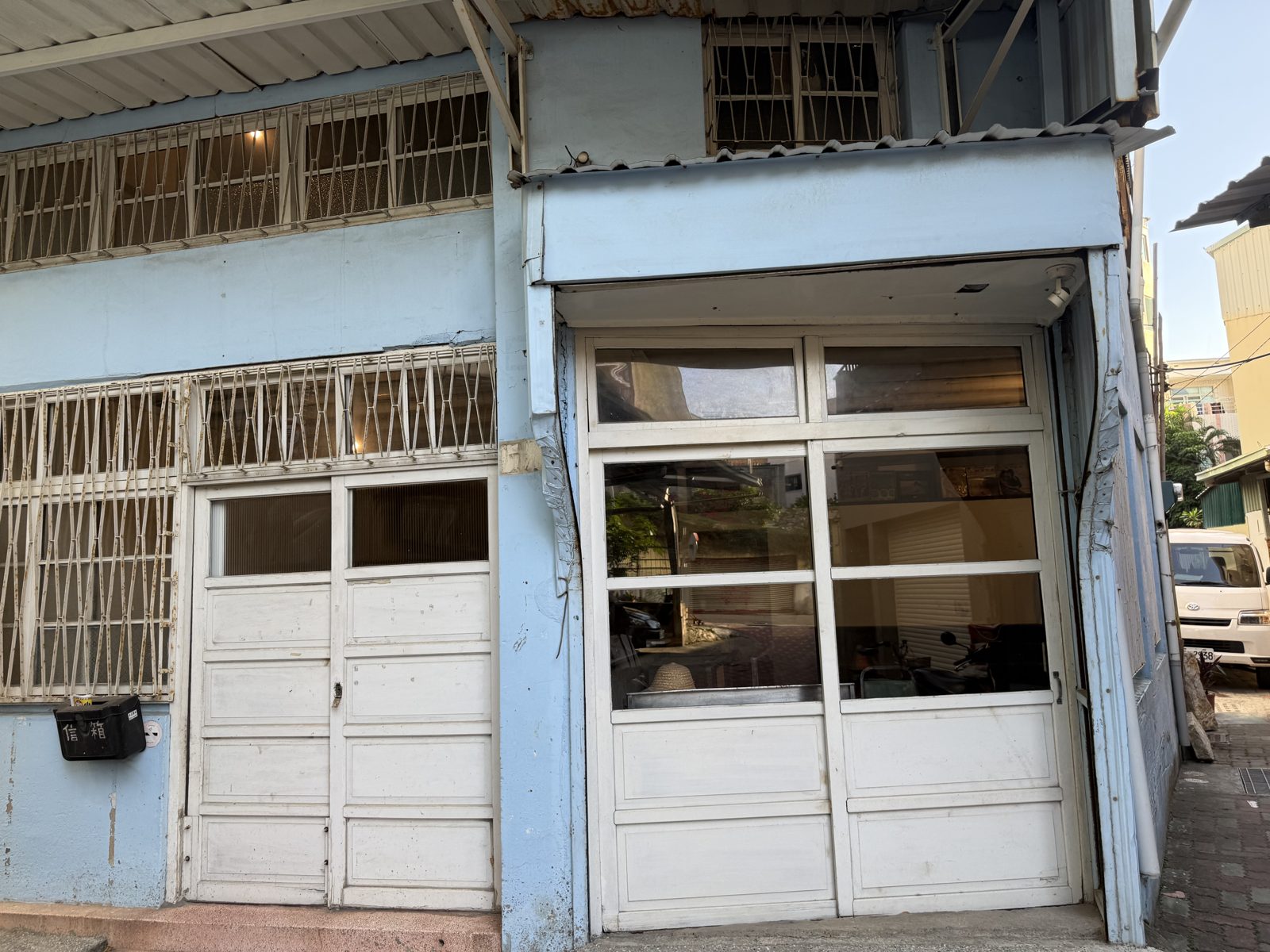
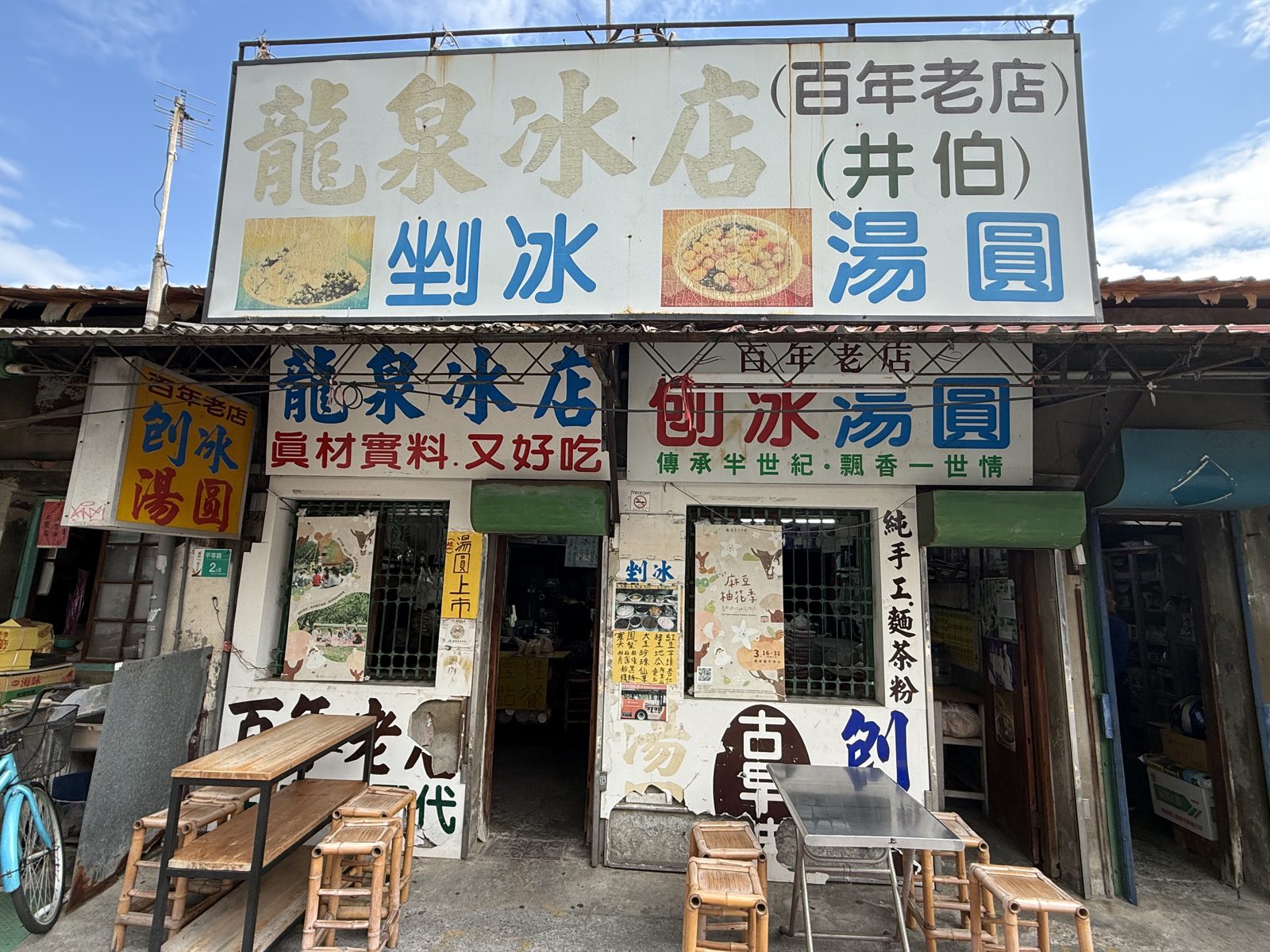
South America, Japan, Bali, Taiwan — travel is how I remember that my data is made of people.
Where I've been →Quiet hours
Creative writing, cooking, baking, and arranging flowers — the same care I bring to research.
Take a look →Music
A running playlist for writing, analysis, and long flights.
Have a listen →Lemon.
My most loyal — if unproductive — research assistant.
Lemon joined me in April 2021 — a lively tabby boy, born June 8, 2020. He has firm opinions about which drafts deserve to be sat on (all of them), and an uncanny sense for the exact moment a deadline is approaching.
He doesn't read my papers, but he keeps me company through every revision and reminds me to take breaks. On June 8, the only correct greeting is "Happy Birthday, Meow."





Places that surprised me.
I love road trips and the freedom of exploring the world at my own pace — travel is how I remember that my data is made of people.
 USA
Boston
New York
Hawaii
Peru
Bolivia
Chile
Easter Island
Japan
China
Chengdu
Taipei
Singapore
Bali
USA
Boston
New York
Hawaii
Peru
Bolivia
Chile
Easter Island
Japan
China
Chengdu
Taipei
Singapore
Bali



















The parts that don't fit on a CV.
The same care I bring to a research design, I bring to a Sunday loaf or a bouquet.
Writing
prose & poetryCreative writing is where I think without a regression table — the place ideas go before they become evidence. Selected pieces, coming soon.
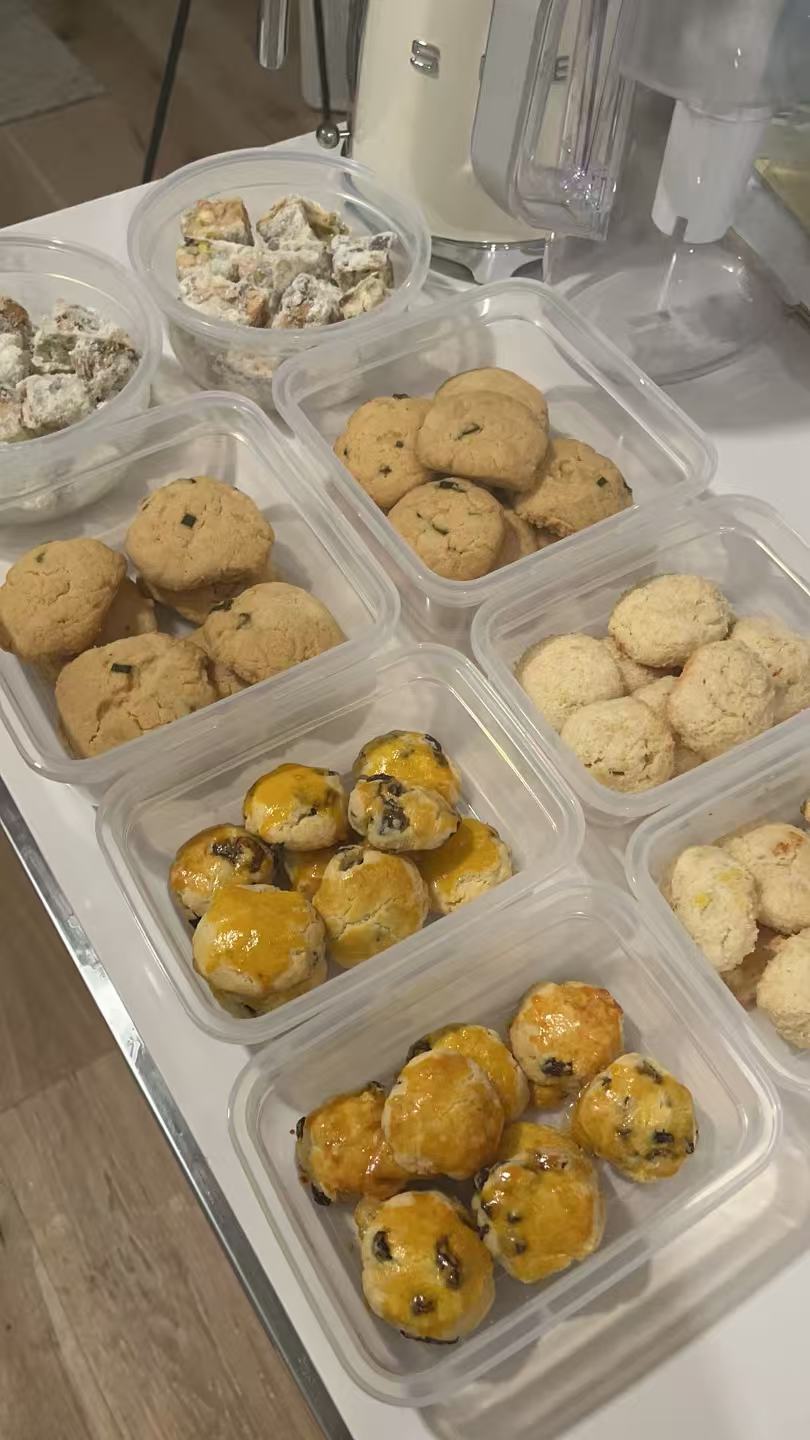
Cooking & baking
since 2017Bread, pastries, and the occasional ambitious cake. Nothing brings smiles to a table faster than something still warm from the oven.



Floristry
since 2020Small arrangements that bring a little spring to a winter desk — the same eye for balance I use in a figure, applied to stems and color.




On repeat.
A running playlist for writing, analysis, and long flights.
Playlists for writing, analysis, and long flights — find me on Spotify.
Listen on Spotify ↗Get in touch.
Always happy to connect — about research, a possible collaboration, or just to say hello.
For research collaborations, please email directly. I aim to respond within a few days.